Heat Damage, Breakage & Frizz: How to Restore Weak Winter Hair
Knowing Your Hair is the Key
Winter can be unforgiving to hair, especially when cold air outside meets heated indoor spaces and frequent styling. What starts as mild dryness can quickly turn into breakage, frizz, and dull, lifeless strands. Add heat tools into the mix, and winter hair damage becomes even more difficult to manage. Understanding what causes these issues—and how to fix them—is the first step toward healthy, resilient hair.
Why Winter Makes Hair Damage Worse
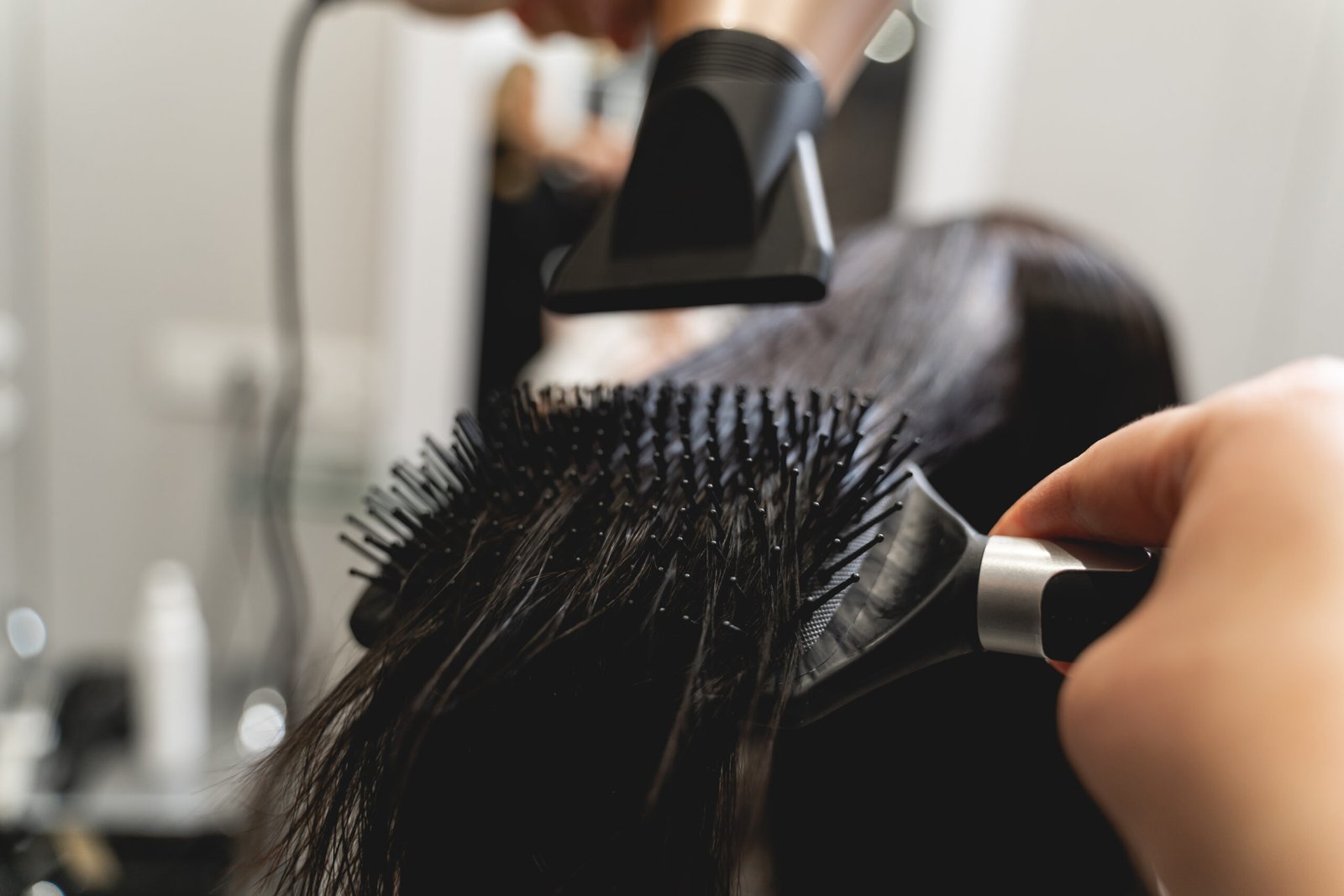
During winter, hair loses moisture faster due to dry air and reduced natural oil production. This makes strands weaker and more prone to snapping, especially when exposed to blow dryers, straighteners, and curling irons. Over time, this leads to split ends, rough texture, and visible thinning.
Without proper hair damage repair, even the best styling techniques can’t mask the effects of seasonal stress.
The Real Cause Behind Frizz & Breakage
Frizz isn’t just about humidity—it’s often a sign of dehydration. When hair lacks moisture, the cuticle lifts, allowing cold air and friction from clothing to disrupt the strand. This is why frizzy hair treatment during winter must focus on restoring hydration rather than just smoothing the surface.
Breakage, on the other hand, occurs when hair becomes brittle due to a lack of elasticity. Constant brushing, tight hairstyles, and repeated heat exposure cause weakened strands to snap—making hair breakage solutions a winter essential rather than a luxury.
Balancing Protein & Moisture the Right Way
One of the biggest mistakes people make in winter is overusing protein treatments. While protein helps strengthen damaged hair, too much can make dry hair stiff and prone to further breakage. The key is balance.
Moisture-rich masks help soften and hydrate, while occasional protein-based treatments repair internal damage. Alternating between the two restores flexibility and shine without overwhelming the hair.
Professional Treatments That Actually Work
Home care can only go so far when winter damage becomes severe. Deep repair treatments, bond-restoring therapies, and intensive hydration rituals penetrate deeper than regular masks, delivering long-lasting results.
A professional assessment helps determine whether hair needs repair, moisture, or both—preventing trial-and-error damage that often worsens winter hair concerns.
Daily Habits That Prevent Further Damage
Restoring hair health isn’t just about treatments—it’s also about habits. Reducing heat styling, using heat protectants, switching to gentler brushes, and avoiding tight hairstyles all help prevent ongoing stress. Even small changes can dramatically improve hair strength over time.
Bring Weak Winter Hair Back to Life
Winter hair damage doesn’t have to be permanent. With the right balance of hydration, repair, and expert care, frizz can be controlled, breakage reduced, and softness restored—at the right salon. This season is about listening to your hair’s needs and responding with targeted solutions that work beneath the surface—not just on it.