The Winter Hair Survival Guide: Hydration, Repair & Expert Care for the Cold Season
It's Not Just Useful, It's Essential!
Winter may bring cozy weather and wedding festivities, but it’s also the toughest season for your hair. Cold air outside, dry indoor heating, frequent styling, and reduced moisture levels can leave strands brittle, frizzy, and lifeless. Without the right care, even healthy hair can lose its shine and strength during the colder months. That’s why understanding winter hair care isn’t just helpful—it’s essential. This guide breaks down why winter damages hair, how to prevent seasonal stress, and what expert-backed solutions actually work. Whether you’re battling dryness, breakage, or dullness, this is your complete roadmap to hydrated, resilient hair all winter long.
Why Winter Is So Harsh on Hair?
Unlike summer, where UV exposure is the main culprit, winter hair damage stems from dehydration. Cold air holds less moisture, which means your hair loses hydration faster. Add to that indoor heating systems that strip humidity from the air, and you get strands that are dry from root to tip.
Common winter hair concerns include:
Excessive dryness and rough texture
Increased breakage and split ends
Frizz caused by static and lack of moisture
Dullness and loss of elasticity
Over washing and frequent heat styling—especially during the wedding season—only worsen the problem. This is where hair damage repair becomes a priority rather than an afterthought.
Hydration Is the Foundation of Winter Hair Care
If there’s one rule for winter hair, it’s this: moisture comes first. Hair that isn’t properly hydrated becomes fragile, prone to snapping, and impossible to style smoothly. Switching to richer shampoos, nourishing conditioners, and weekly masks can significantly improve hair health. Look for formulas with ingredients like keratin, argan oil, shea butter, and hyaluronic acid—these help replenish moisture and strengthen the hair shaft. Professional hydrating hair treatments go a step further by delivering nutrients deep into the cuticle, restoring softness and shine that home care alone often can’t achieve.
Understanding the Difference Between Moisture & Protein
One of the biggest winter hair mistakes is overloading hair with protein when what it really needs is hydration. While protein treatments are excellent for strengthening damaged strands, too much protein on dry hair can actually make it stiff and prone to breakage.
A balanced winter routine includes:
Moisture-focused treatments to combat dryness
Occasional proteintreatments to repair structural damage
Gentle cleansing to avoid stripping natural oils
Knowing when your hair needs hydration versus repair is key to long-term health.
Winter Styling Without the Damage
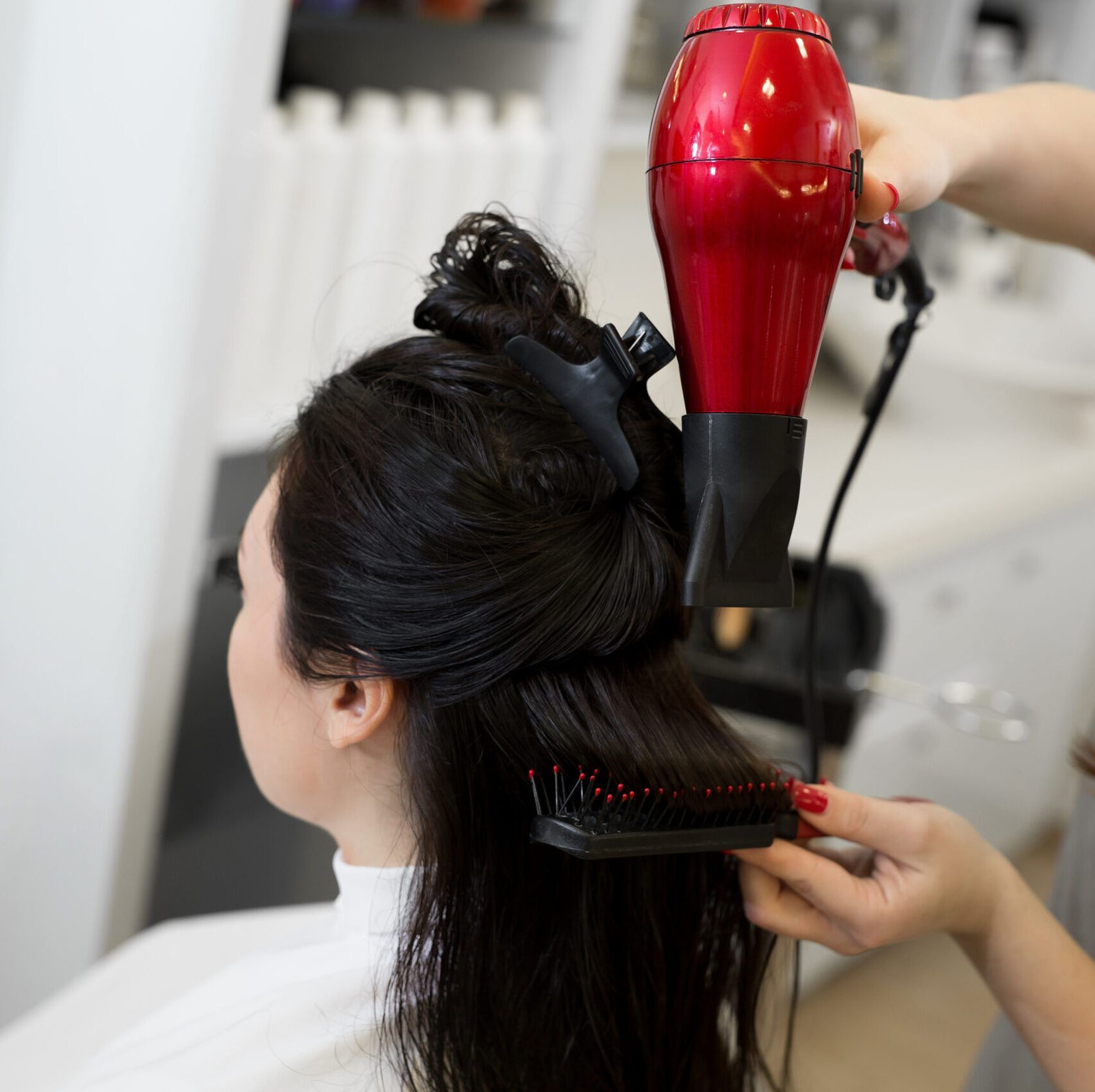
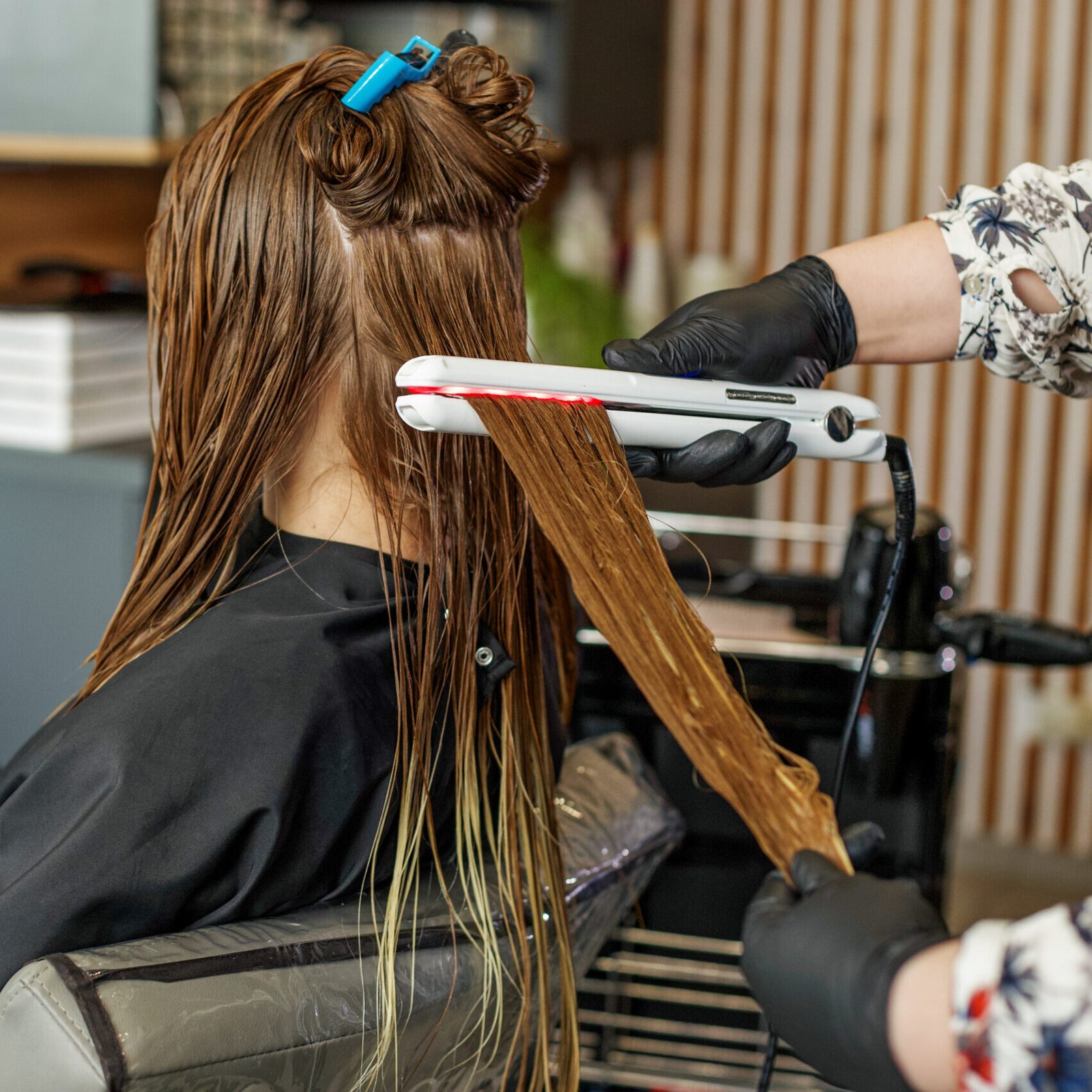
Winter styling often means blow-dries, curling irons, and straighteners—especially during social events. Heat isn’t the enemy, but unprotected heat is. Always prep hair with a heat protectant before styling. These products form a barrier that minimizes moisture loss and reduces heat-related damage. Lower temperature settings and proper sectioning can also make a huge difference. Protective styles such as loose braids, low buns, and soft waves help reduce friction from scarves, shawls, and winter clothing—all common causes of breakage during colder months.
Scalp Care Matters More Than You Think
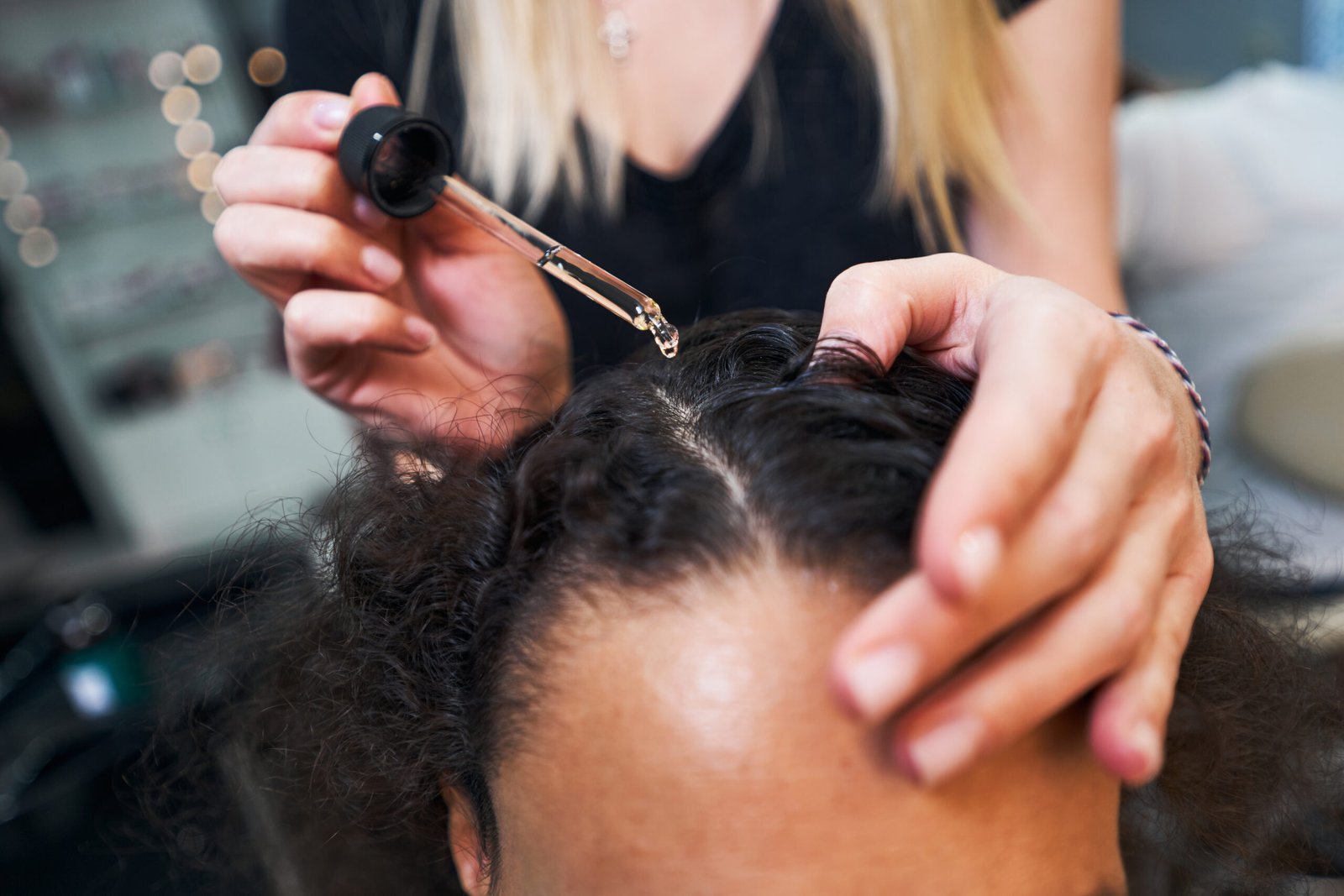
Dry scalp is a common winter complaint, often mistaken for dandruff. Cold weather slows oil production, leaving the scalp tight, flaky, and itchy. Ignoring scalp health can directly affect hair growth and overall strength. Regular oil massages, gentle exfoliation, and scalp-focused treatments help maintain balance and stimulate circulation. A healthy scalp creates the ideal environment for strong, resilient hair—especially when fighting winter dryness.
Salon Treatments That Actually Make a Difference
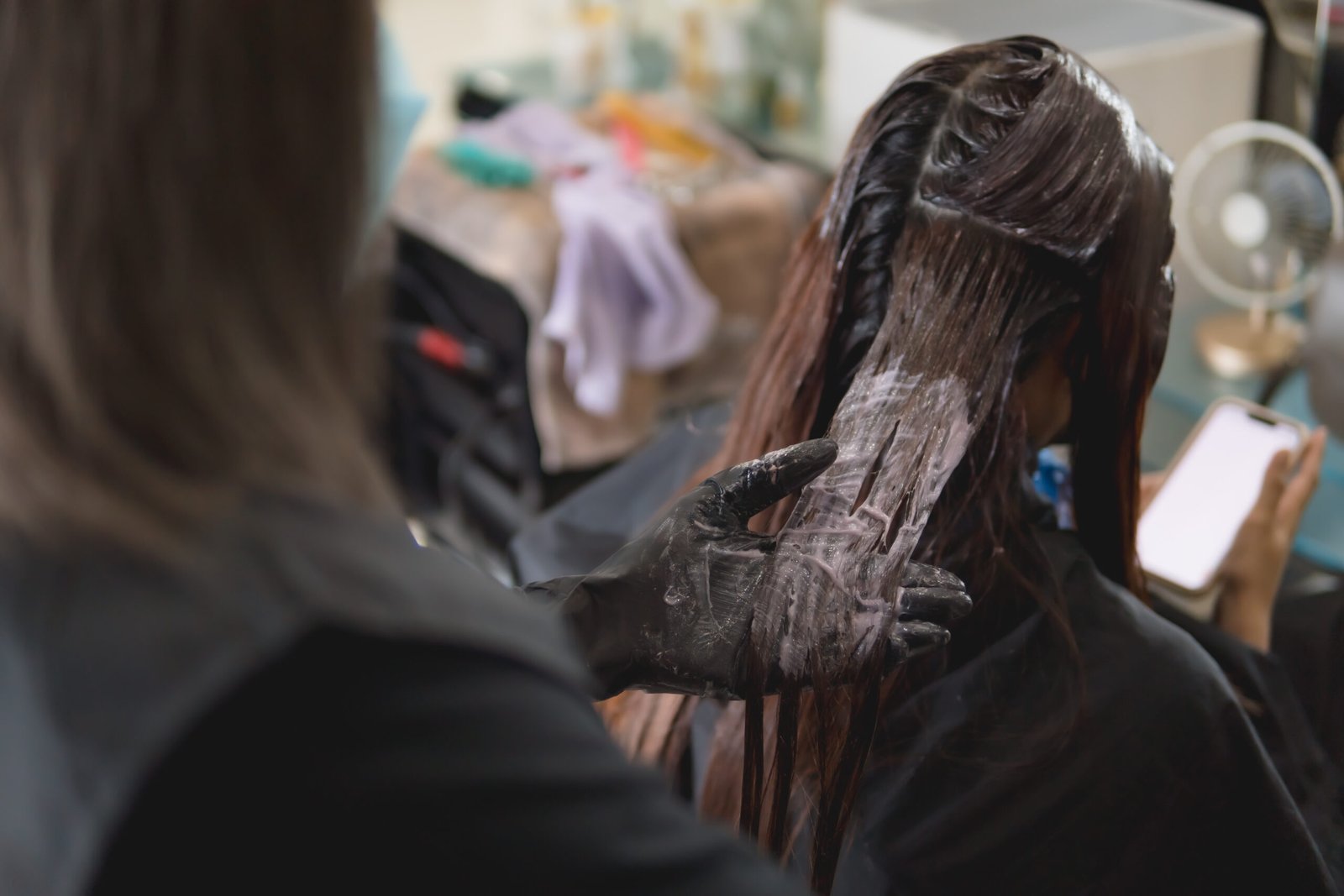
At-home care is essential, but winter hair often needs professional intervention. Deep conditioning rituals, moisture-infusing therapies, and repair treatments are designed to penetrate beyond the surface, delivering visible results that last. This is where choosing the right hair salon where you live, for example DHA Lahore, makes a difference. Expert assessment ensures your hair receives the right combination of hydration, repair, and protection—rather than a one-size-fits-all solution. At Skinfinity, winter hair care is approached holistically, combining advanced treatments with expert styling techniques to ensure hair remains healthy, manageable, and camera-ready throughout the season.
Building a Winter-Proof Hair Routine
Consistency is what separates good hair days from great hair seasons. A simple winter routine includes:
Washing hair 2–3 times a week with gentle, hydrating products
Weekly deep conditioning or mask treatments
Limiting heat styling and always using protection
Regular trims to prevent split ends from traveling upward
Small adjustments—like switching pillowcases to silk or avoiding tight hairstyles—can also prevent unnecessary stress on winter-weakened strands.
Preparing Hair for Events & Long Days
Winter weddings and festivities mean long hours of styling, makeup, and exposure to dry indoor air. Prepping hair ahead of events ensures styles hold better and hair remains smooth throughout the day. Hydration treatments a few days before major occasions improve elasticity and shine, making styling easier and longer-lasting. This preparation is especially important for brides and guests alike during peak season.
Your Winter Hair Journey Starts Here
Winter doesn’t have to mean sacrificing hair health for style. With the right balance of hydration, repair, and expert care, your hair can thrive—even in the coldest months. This guide sets the foundation for smarter seasonal hair care, helping you understand what your hair truly needs.